
In short: “Don’t Ask, Don’t Tell” was the US policy, in force from 1993, that let gay, lesbian and bisexual people serve in the military only if they kept their sexual orientation secret. More than 13,000 people were discharged under it. Congress voted to repeal it in December 2010, President Obama signed the repeal on 22 December 2010, the required certification came on 22 July 2011, and the policy ended on 20 September 2011.
The repeal of “Don’t Ask, Don’t Tell”, often shortened to DADT, was one of the main campaigns covered on the original version of this site. Posts tracked the president’s promise at a 2009 dinner, statements from religious groups backing repeal, the votes in Congress and the final certification. This article tells the whole story in one place.

Before 1993
The US military barred gay people for most of the twentieth century. A 1982 Defense Department directive stated that “homosexuality is incompatible with military service” and required discharge. Thousands of service members were investigated and removed under it.
During the 1992 campaign Bill Clinton promised to lift the ban. In office he met strong resistance from military leaders and Congress, and the result was a compromise.
The policy, 1993
The compromise was passed into law in the defence bill for fiscal 1994 and took effect on 1 October 1993. As Britannica summarises, it barred the military from asking recruits about their sexual orientation, but still required the discharge of anyone who said they were gay, engaged in same-sex conduct or married someone of the same sex. In practice, investigations continued, and discharges sometimes rose rather than fell.
Over the life of the policy more than 13,000 service members were discharged. They included hundreds of linguists, among them Arabic speakers, at a time when such skills were badly needed.
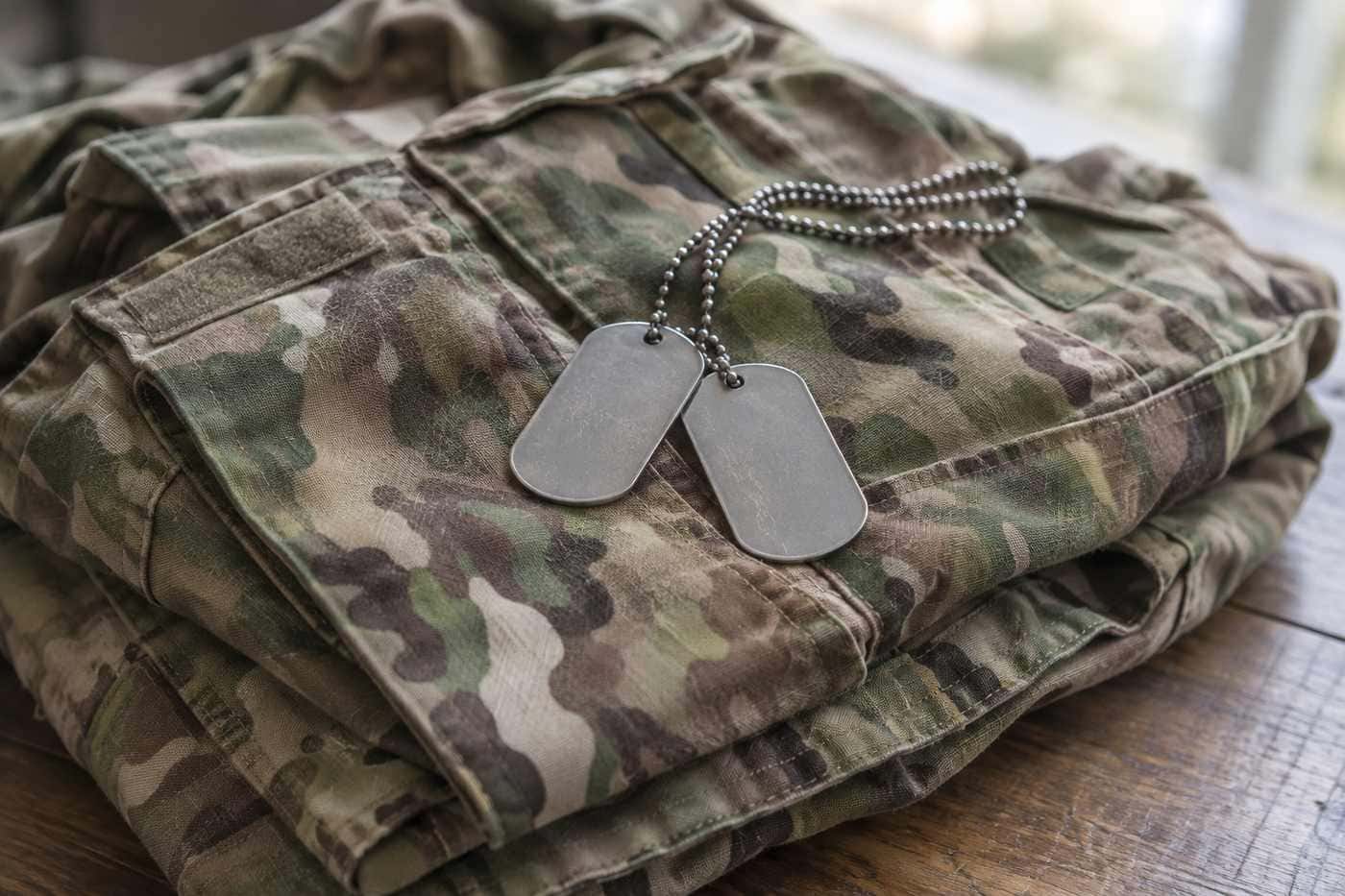
The campaign for repeal
By the late 2000s opinion had shifted. Polls showed most Americans supported letting gay people serve openly, and several allied militaries, including the British, Canadian, Australian and Israeli forces, already allowed it.
On 10 October 2009 President Obama spoke at the Human Rights Campaign’s national dinner in Washington and said: “I will end Don’t Ask, Don’t Tell. That’s my commitment to you.” Campaigners pressed him for a timetable. In his State of the Union address in January 2010 he called for repeal that year.
In February 2010 Admiral Mike Mullen, chairman of the Joint Chiefs of Staff, told the Senate Armed Services Committee that letting gay people serve openly “would be the right thing to do”. Religious groups from several denominations issued statements supporting repeal in April 2010, arguing that the policy forced service members to lie.
The Pentagon review
Defense Secretary Robert Gates ordered a review of how repeal would work. Its report, published on 30 November 2010, surveyed hundreds of thousands of service members and spouses. About 70 percent said repeal would have a positive, mixed or no effect on their units. The report concluded that the risk to military effectiveness was low.

The votes in December 2010
An attempt to repeal DADT as part of the 2011 defence bill stalled in the Senate in September and again in early December 2010. Supporters then introduced a standalone bill.
- 15 December 2010: the House passed the Don’t Ask, Don’t Tell Repeal Act 250 to 175.
- 18 December 2010: the Senate passed it 65 to 31, with eight Republicans voting in favour.
- 22 December 2010: President Obama signed it into law as Public Law 111-321.
The repeal did not take effect straight away. It required the president, the defense secretary and the chairman of the Joint Chiefs to certify that the military was ready, followed by a 60-day wait.

Certification and the end of the policy
Training for all service members took place in the first half of 2011. On 22 July 2011 President Obama, Defense Secretary Leon Panetta and Admiral Mullen sent the certification to Congress. The president’s statement said the change would be made “in a way that is consistent with the standards of military readiness, military effectiveness, unit cohesion, and recruiting and retention”. The US Army reported that the policy would end 60 days later.
DADT ended on 20 September 2011. Service members could serve openly, and discharged veterans could apply to re-enlist. Later studies found no measurable harm to readiness.
After repeal
Repeal opened further changes. Once the Supreme Court struck down the core of the Defense of Marriage Act in 2013, the military extended spousal benefits to same-sex married couples. In 2021 members of the House introduced a resolution on the 10th anniversary of repeal and the Department of Veterans Affairs eased the process for veterans discharged under the policy to seek benefits.
Transgender service has followed a separate and changing path, with policy reversed several times since 2016. That story belongs with our guide to gender identity laws. For the broader rights context, see human rights and LGBT rights.

Key takeaways
- DADT took effect on 1 October 1993 and let gay people serve only if they hid their sexual orientation.
- More than 13,000 service members were discharged under it.
- Obama promised to end it at the HRC dinner on 10 October 2009.
- Congress passed repeal in December 2010 (House 250 to 175, Senate 65 to 31); it was signed on 22 December 2010.
- Certification came on 22 July 2011 and the policy ended on 20 September 2011.
Common questions
When did Don’t Ask, Don’t Tell end?
On 20 September 2011, 60 days after the president, defense secretary and chairman of the Joint Chiefs certified that the military was ready.
How many people were discharged under DADT?
More than 13,000 service members were discharged under the policy between 1993 and 2011.
Who signed the repeal?
President Barack Obama signed the Don’t Ask, Don’t Tell Repeal Act of 2010 on 22 December 2010.
Can veterans discharged under DADT change their discharge?
Yes. Veterans can apply to their service’s discharge review board to upgrade their discharge, and the VA has issued guidance on benefits eligibility.
Did DADT apply to transgender service members?
No. DADT concerned sexual orientation. Transgender service was governed by separate medical rules and later policies.
How we wrote this: Dates and votes come from White House and Army records, congressional documents and reference works. Discharge totals are as reported by the Defense Department and widely cited at the time. Last checked November 2026.
Leave a Reply