
In short: The Matthew Shepard and James Byrd Jr. Hate Crimes Prevention Act was signed by President Obama on 28 October 2009 as part of the National Defense Authorization Act for fiscal year 2010. It made it a federal crime to cause bodily injury because of a victim’s actual or perceived sexual orientation, gender identity, gender or disability, as well as race, colour, religion or national origin. It was the first federal law to protect people on the basis of sexual orientation and gender identity.
Several of the most linked pages on the original version of this site followed the hate crimes bill through Congress in 2009: the Senate hearing, the cloture vote, the conference report. This article brings that story together, explains what the law does, and looks at how it has been used since.

The two murders behind the law
In June 1998 James Byrd Jr., a Black man, was murdered in Jasper, Texas, by three white men who chained him to a pickup truck and dragged him for miles. In October 1998 Matthew Shepard, a 21-year-old gay student at the University of Wyoming, was beaten, tied to a fence outside Laramie and left to die. He died in hospital on 12 October.
The two killings shocked the country and became the focus of a long campaign. At the time, the main federal hate crimes law, passed in 1968, covered only race, colour, religion and national origin, and only when the victim was taking part in a federally protected activity such as voting or going to school. Neither Wyoming nor Texas had a hate crimes law that covered sexual orientation.
Ten years in Congress
A hate crimes bill covering sexual orientation was introduced in nearly every Congress after 1998. It passed the Senate in 2000 and the House and Senate separately in 2007, but it was dropped from final bills or faced a veto threat. The Human Rights Campaign’s hate crimes timeline lists the many votes along the way.
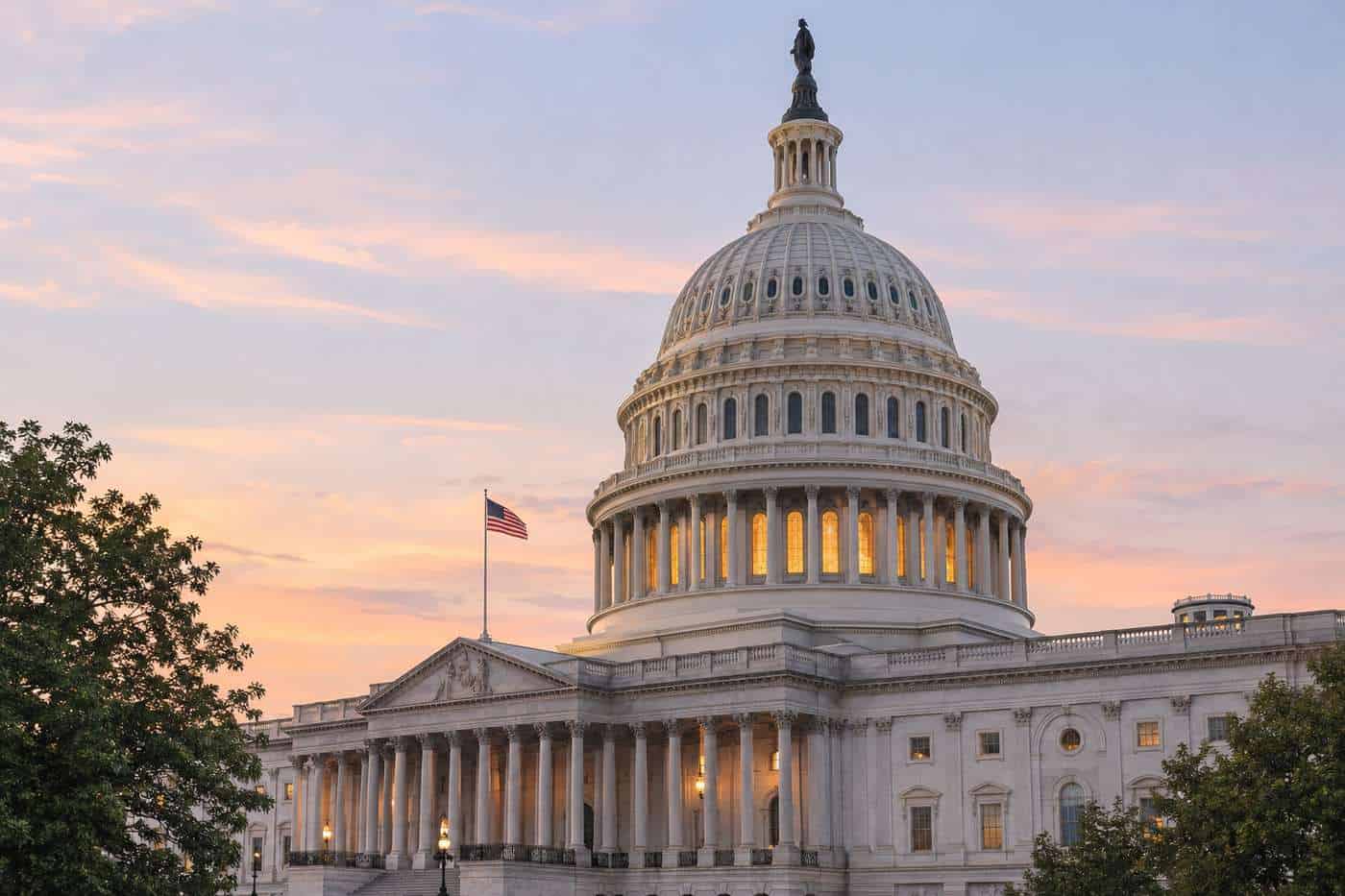
The 2009 votes
With a new president who had promised to sign it, the bill moved quickly in 2009.
- April 2009: the House passed its version, H.R. 1913, 249 to 175.
- June 2009: the Senate Judiciary Committee held a hearing at which Attorney General Eric Holder testified in support.
- July 2009: Senate leaders attached the measure to the defence authorisation bill, H.R. 2647, making it harder to block. A cloture motion on the amendment passed 63 to 28.
- October 2009: the House approved the conference report on 8 October. In the Senate, cloture on the conference report passed 64 to 35, and on 22 October the Senate passed the final bill 68 to 29.
Linking the bill to defence spending was controversial. Some members who supported hate crimes protection opposed tying it to military funding, and some defence supporters voted against the final bill because of the hate crimes provision.

What the law does
The law has two main parts. The first, now 18 U.S.C. 249, makes it a federal crime to wilfully cause bodily injury, or attempt to do so with a dangerous weapon or explosive, because of a person’s actual or perceived:
- race, colour, religion or national origin (anywhere in the US), or
- gender, sexual orientation, gender identity or disability (where there is a link to interstate commerce, which courts read widely).
The maximum sentence is ten years, or life if the crime results in death or involves kidnapping, sexual assault or an attempt to kill.
The second part provides federal help to state and local police: grants, investigators and forensic support for hate crime cases. It also required the FBI to start tracking crimes motivated by gender identity, which it did from 2013. The Justice Department set out the grant programme in the Federal Register in November 2010.
The law includes rules of construction protecting free speech and religious expression. It covers acts of violence, not speech or beliefs.

The signing
President Obama signed the defence bill on 28 October 2009 and held a reception that evening to mark the hate crimes provisions. In his remarks he said the law would help protect people “from violence based on what they look like, who they love, how they pray, or who they are”. Judy Shepard, Matthew’s mother, and members of James Byrd Jr.’s family attended. PBS NewsHour called it the first major federal gay rights law.
How the law has been used
Federal prosecutors have used section 249 mostly where state law is weak or state prosecutors do not act. The first convictions under the sexual orientation provision came in 2012, and the first under the gender identity provision in 2017, in a Mississippi case involving the murder of a transgender woman. The Anti-Defamation League’s five-year review found dozens of prosecutions and widespread use of the training and support provisions. Courts have upheld the race provision under the Thirteenth Amendment and the other categories under the commerce clause.

For the wider human rights background, see our guide to human rights and LGBT rights. The same 2009 to 2011 period also saw the repeal of “Don’t Ask, Don’t Tell” and new gender identity laws in several states.
Key takeaways
- The act is named after Matthew Shepard and James Byrd Jr., both murdered in 1998.
- It was signed on 28 October 2009 as part of the defence authorisation bill, H.R. 2647.
- The Senate passed the final bill 68 to 29 on 22 October 2009, after a 64 to 35 cloture vote.
- It added sexual orientation, gender identity, gender and disability to federal hate crimes law, at 18 U.S.C. 249.
- It was the first federal law to protect people on the basis of sexual orientation and gender identity.
Common questions
When was the Matthew Shepard Act signed?
On 28 October 2009, by President Obama, as part of the National Defense Authorization Act for fiscal year 2010.
Who was James Byrd Jr.?
A Black man murdered in a racist attack in Jasper, Texas, in June 1998. The law strengthened federal protection against race-based hate crimes as well.
Does the hate crimes law punish speech?
No. It covers violent acts that cause or attempt to cause bodily injury. It includes protections for free speech and religious expression.
What is the maximum sentence under the law?
Ten years in prison, or up to life if the crime results in death or involves kidnapping, sexual abuse or attempted murder.
Why was it attached to a defence bill?
Supporters attached it to must-pass defence legislation to stop it being dropped or vetoed, as had happened in earlier years.
How we wrote this: Vote counts come from congressional records summarised by news outlets and campaign timelines, and the legal text from the US Code. Prosecution figures are from Justice Department and ADL reports. Last checked November 2026.
Sources
- White House archive: Remarks at the reception marking the act
- PBS NewsHour: Obama signs hate crimes bill
- Human Rights Campaign: Hate crimes timeline
- Cornell LII: 18 U.S.C. 249, hate crime acts
- Federal Register: Hate crimes grant programme notice (2010)
- ADL: The Hate Crimes Prevention Act at five years
- Wikipedia: Matthew Shepard and James Byrd Jr. Hate Crimes Prevention Act
Leave a Reply